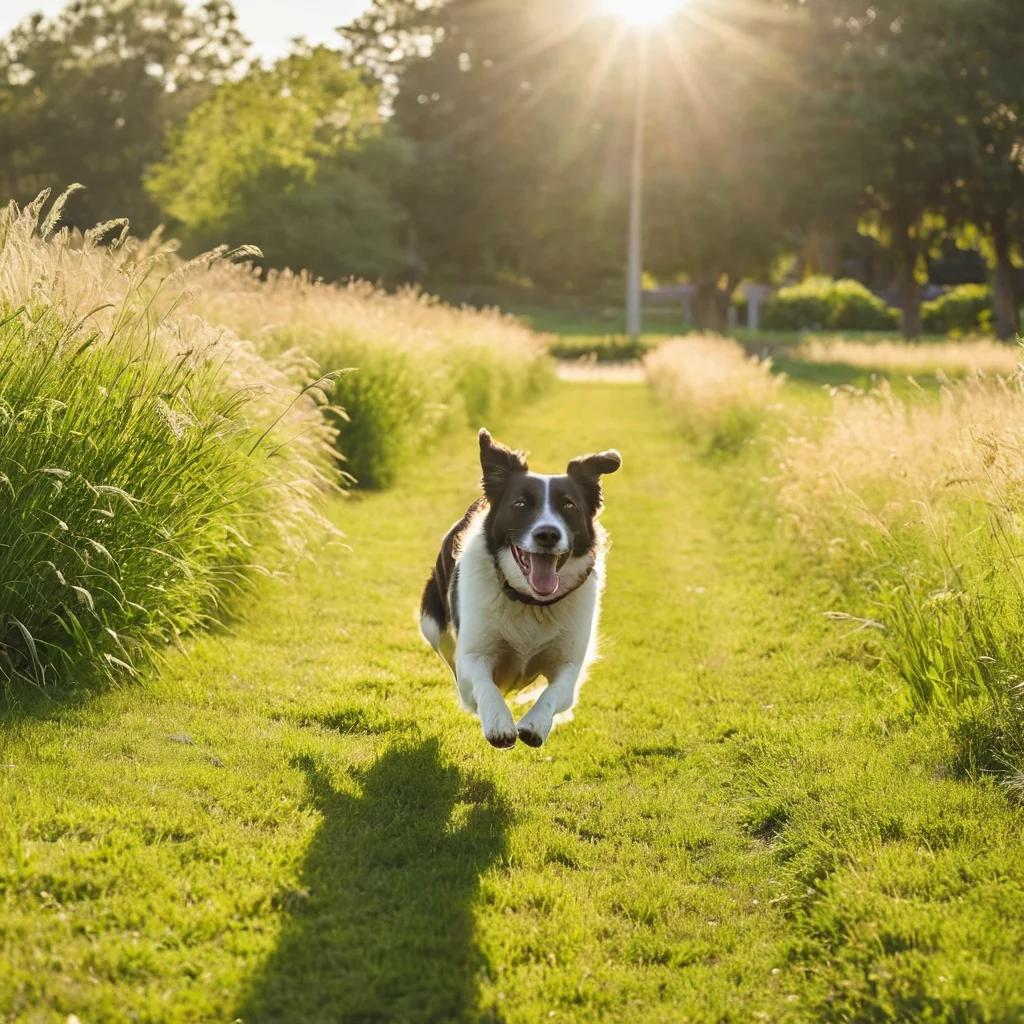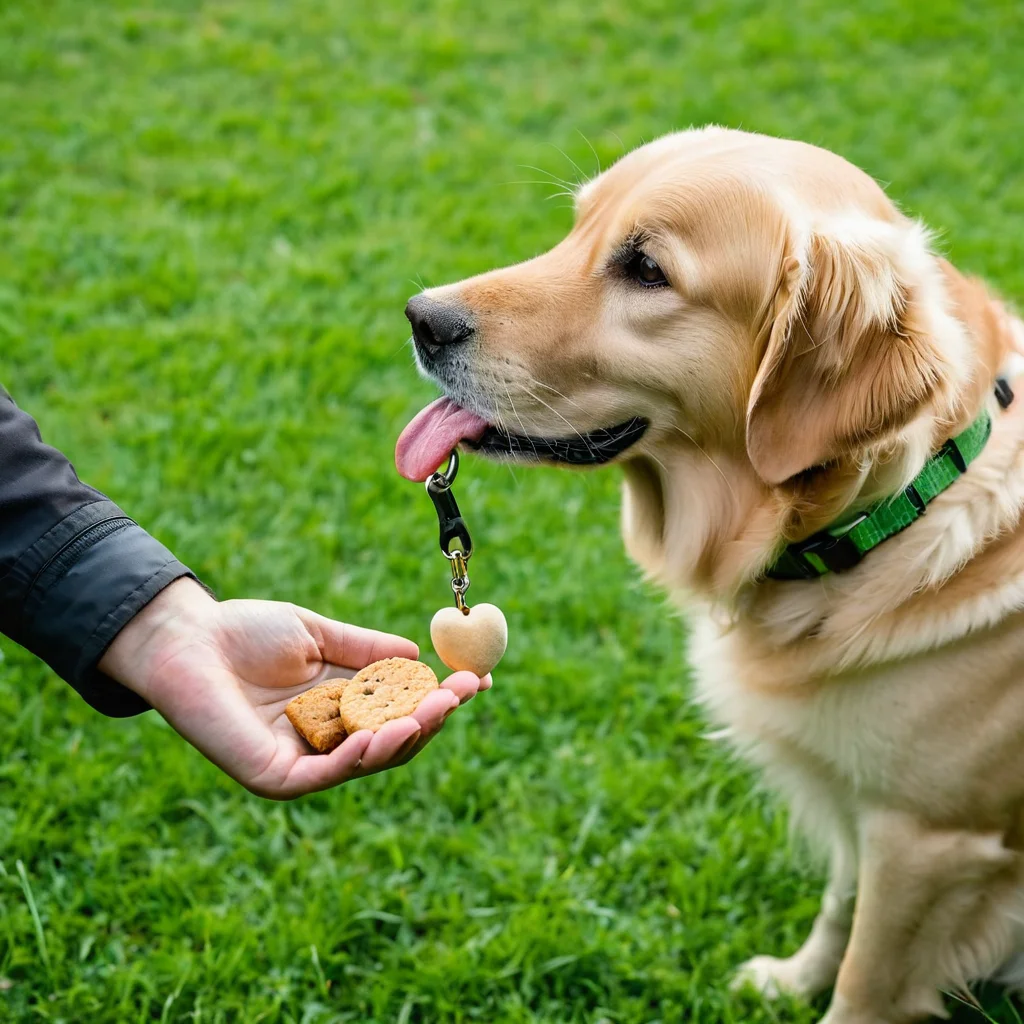

Teaching your dog the basics yourself is entirely possible, and it is an enjoyable process that strengthens the bond between you. Commands like sit, stay and come, potty training and house rules are all things a patient owner can easily work on at home. On top of that, the trust you build with your dog along the way becomes the foundation for any training later on.
But not every behavior problem gets solved at home. In some cases, stubbornly trying on your own reinforces the problem instead of solving it; with the wrong reactions, you can make the behavior worse without realizing it. This is exactly where a professional dog trainer should step in.
In this article, we first look at the limits of training on your own, then go through 7 concrete signs that you need professional help, one by one. Finally, we explain how to tell a good trainer apart.
The Limits of Training on Your Own
There are countless training videos online, and many of them are genuinely helpful. But videos are built around general scenarios; they don't know your dog's history, temperament or living environment. The reason behind a behavior problem is often different from what it looks like from the outside. For example, what you think is stubbornness may actually be fear, and what you call jealousy may be resource guarding. The wrong diagnosis means the wrong method.
Training on your own is usually enough for basic obedience commands, potty training, simple house rules and building early habits in puppies. If there is an emotional cause behind the behavior, though (fear, anxiety, a past trauma), things are different. Emotion-based problems aren't solved by teaching commands; they need planned, gradual work that gets to the root of the behavior.
7 Signs You Need Professional Help
1. Aggression
Growling, showing teeth, snapping or biting... Aggression is a problem you should never try to solve on your own. The wrong intervention puts you and the people around you at risk. Aggression can stem from very different causes, such as fear, pain, resource guarding or past bad experiences, and assessing it correctly takes a professional eye. When aggression starts suddenly, your first stop isn't even a trainer, it's your vet, because pain-related behavior changes are not rare at all.
2. Separation Anxiety
A dog that howls for hours, scratches at the door, destroys things or goes potty inside after you leave the house is very likely experiencing separation anxiety. This isn't naughtiness, it is genuine panic. Separation anxiety calls for gradual desensitization protocols, and if the process is mishandled, the anxiety gets deeper. An experienced trainer creates a plan tailored to your dog and tracks progress step by step.
3. Uncontrolled Leash Pulling
If every walk turns into an arm-wrestling match, your dog drags you down the street and nothing you have tried has worked, hands-on technical help makes a difference. Leash pulling often comes from excess energy, poorly timed rewards or unsuitable equipment. In energetic, strong breeds like the Golden Retriever especially, uncontrolled pulling threatens both your safety and your dog's.
4. Not Coming When Called
The recall command is one of the most important lifesaving skills a dog can learn. A dog that completely ignores you when let off leash in the park and runs after other dogs or smells is exposed to the risks of traffic, fights and getting lost. Reliable recall training is a planned process in which distance and distractions are increased gradually. If you have been at it for months with no progress, it means you need a systematic program.
5. Excessive Barking
A dog that barks for minutes at the doorbell, at people passing the window or at the slightest noise makes life harder for both you and your neighbors. Trying to quiet the barking without correctly reading its purpose (guarding territory, seeking attention, boredom, fear) usually doesn't work. A trainer analyzes the situations that trigger the barking and teaches your dog alternative behaviors for those moments.
6. Fear Behaviors
In dogs that tremble during thunderstorms, run and hide from the vacuum cleaner or are terrified of certain people or objects, fear tends to generalize over time. A dog that is only afraid of engine noise today may become afraid of the whole outside world tomorrow. Techniques like desensitization and counterconditioning take finesse; if they aren't applied in the right dose, they reinforce the fear. That's why professional guidance is especially valuable for fear-based problems.
7. Lack of Socialization
A dog that doesn't know what to do around other dogs, gets overexcited or panics, or cowers in a corner or jumps all over guests when they arrive, may have missed part of its socialization period. Although the critical socialization window closes in puppyhood, adult dogs can make real progress through controlled, planned encounters. For group classes or one-on-one socialization work, a trainer's help both speeds up the process and makes it safer.
How Can You Tell a Good Dog Trainer?
Since there is no single binding standard for dog trainers, your own observations matter a lot when choosing one. Pay attention to these criteria:
- Do they use positive reinforcement? Modern training is built on rewarding the right behavior. Choose trainers who work with treats, play and praise.
- Do they avoid punishment methods? Stay away from trainers who recommend choke collars, shock collars, yelling or physical force. These methods can increase fear and aggression and permanently damage the trust between you and your dog.
- Do they observe first? A good trainer doesn't sell a ready-made program without getting to know the dog. At the first meeting, they should try to understand your dog, its history and your daily routine.
- Do they train you, too? For training to last, you are the one who really needs to learn. Be cautious about the "leave the dog with us and we'll hand it back trained" approach; if you don't keep it up at home, the progress fades quickly.
- Do they promise a sure result? Be skeptical of trainers who promise a 100 percent fix. Behavior work is done with a living being; an honest trainer talks about process and likelihood, not certain outcomes.
Finding a Trainer Near You
Finding the right trainer is often the hard part. Recommendations from people you know are valuable, but every dog and every problem is different. In the Pet Services section of the DoldurKabı app, you can browse dog trainer service providers, look through their profiles and reviews, and create a request to get quotes. You can download the app here.
At your first meeting with a trainer, describe the problem as concretely as you can: When did the behavior start, in which situations does it show up and how do you react? If possible, film a short video of the behavior; this makes it much easier for the trainer to assess it correctly.
Frequently Asked Questions
At what age should dog training start?
Puppyhood is very valuable for basic habits and socialization; you can start short, gentle sessions from eight weeks of age. But there's no such thing as too late. Adult and senior dogs learn too; changing established habits just takes more patience and repetition.
How long does training take?
It depends on the problem, the dog's age and how consistent you are at home. Simple obedience commands may settle in within a few weeks, while emotion-based problems like separation anxiety or aggression can take months. Expect your trainer to give you a realistic timeframe; a promise of quick results is usually not a good sign.
Should I choose one-on-one training or group classes?
If there's a behavior problem (aggression, fear, separation anxiety), one-on-one work is a must, because the problem needs an analysis specific to the dog and its environment. For basic obedience and socialization, group classes are more affordable and also teach your dog to focus around other dogs. Programs that combine the two are common as well.
Should I see a vet first for a behavior problem?
For behavior changes that start suddenly, yes. Pain, hormonal issues or neurological conditions can directly affect behavior. Especially if a dog that used to be calm has suddenly become cranky, it's wise to consult your vet and get a general health check before starting training.