


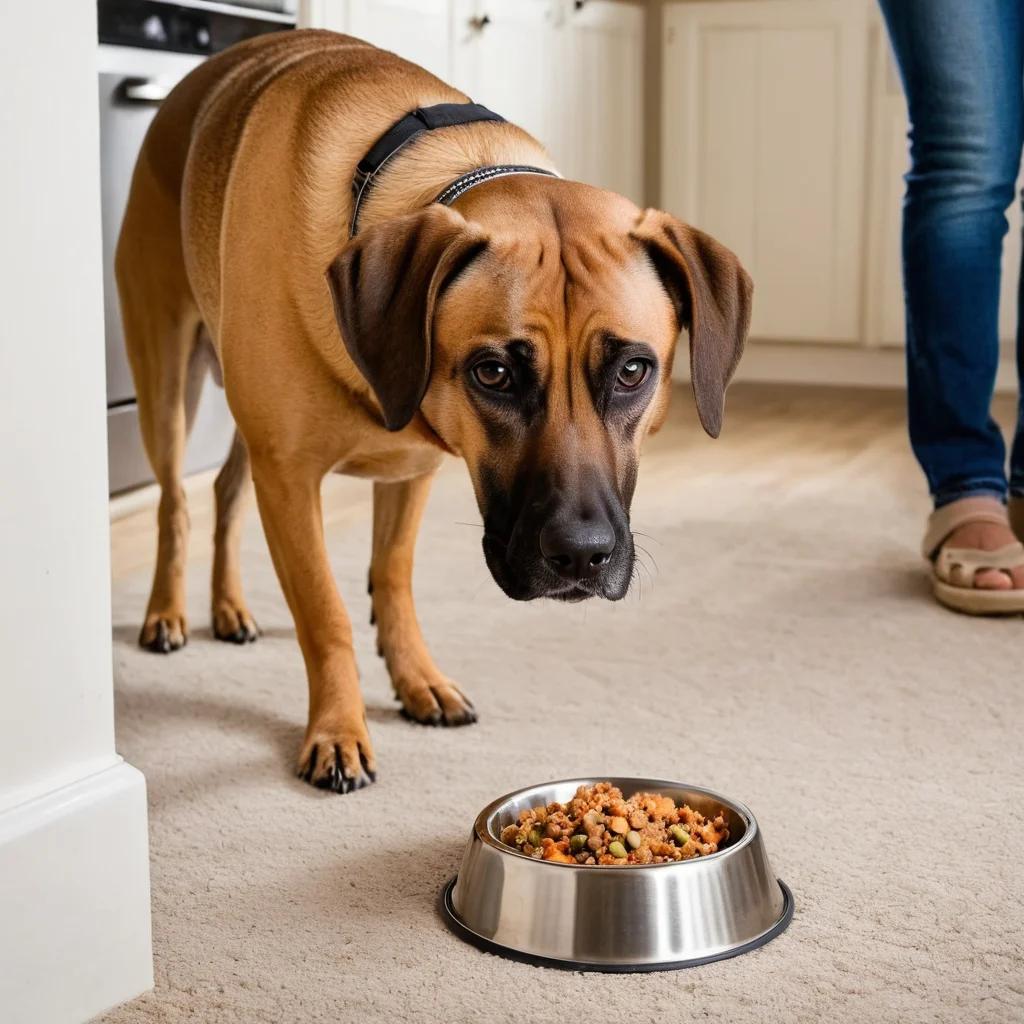

Resource guarding is aggressive behavior a dog uses to protect something valuable it has (food, a toy, a bed, its owner). It can start in puppyhood and can be prevented with the right approach. Treatment in adult dogs is possible but takes a behavioral protocol and patience. In this post, we look at a detailed definition of resource guarding, along with prevention and a treatment protocol.
1. What Resource Guarding Is
- A dog's behavior of protecting a valuable resource.
- Things that can be valuable: food, toys, bed, bones, its owner, a space.
- Growling → teeth showing → attempted bite → bite.
- Body language: body angled toward the resource, hard stare, stiff tail.
- A natural behavior (inherited from wild ancestors).
2. Risk Factors
- Lack of puppy socialization: Never learned to share food.
- History of hunger: Street dogs and shelter puppies.
- Multi-dog households: Competition over food.
- Genetics: A predisposition in some breeds (hunting breeds).
- Early bad experiences: An owner taking food out of the dog's mouth plus punishment.
3. Prevention From Puppyhood (The Ideal Approach)
- While the puppy eats, walk up, toss a treat and walk away.
- Build the association "owner approaching = tasty treat".
- A routine of dropping treats into the food bowl.
- More than one food bowl and a variety of dishes.
- Teach the "drop it" command early.
- Take a toy from the puppy and give it back with a treat.
- If the puppy growls, NO PUNISHMENT; find the cause (fear, hunger).
4. The Trade-Up Technique (Treatment for Adults)
The cornerstone of resource guarding treatment:
- The dog is holding something of low value (a dry biscuit).
- The owner holds something of high value (a piece of chicken).
- Give the "drop it" command and show the high-value item.
- The dog drops the low-value item and takes the high-value one.
- Then give the low-value item back.
- The dog learns: "If I let go → something better comes".
- Gradually move on to more valuable resources.
5. Approaching the Food Bowl (Slowly)
- While the dog eats, the owner stands far away.
- If the dog doesn't panic → come 1 meter closer, then move away.
- With every approach, toss an extra treat into the food bowl.
- Owner approaching → treat association.
- Apply it consistently for 2-3 weeks.
- If the dog growls, start from farther away and take a step back.
6. Guarding the Owner
The dog becomes aggressive when another person or animal approaches while it is next to its owner:
- Triggers: A spouse, a child, another dog.
- Treatment:
- Treats while the other person or animal approaches.
- A "place" command (move away).
- Send the message "I'm not a toy" from the owner (the dog is not always at your side).
- A consultation with a veterinary behaviorist.
7. Multi-Dog Households
- A separate food bowl and room for each dog.
- DON'T force them to share food.
- Stop the dominant dog from approaching the lower-ranking dog.
- Pick up the bowls when the food is finished.
- Vary toys and beds so resources are never scarce.
8. Family Training (Important)
- The whole family follows the same protocol.
- A rule for children: DON'T TOUCH the dog while it eats, and STAY AWAY.
- Teach guests: don't go near the feeding corner.
- When the dog goes to its bed, it's a "sleep zone": respectful distance.
- If a child needs to take the reward toy → trade-up.
9. Never Do List
- ❌ Forcibly taking the food bowl while the dog growls; it triggers an attack.
- ❌ Punishment; the dog learns it "can't give a warning" and bites straight away.
- ❌ The "alpha" approach, pinning the dog to the ground; science has debunked it.
- ❌ Telling a child to share food with the dog.
- ❌ Feeding multiple dogs from the same bowl.
- ❌ Taking food away as a test → loss of trust.
10. Severe Cases (Behaviorist)
- A biting case → a veterinary behaviorist is a must.
- Adding SSRI medication.
- Training combined with managing the environment.
- The process takes 3-6 months.
- In some cases a full cure isn't possible; management is the norm.
- Family safety comes first.
Resource guarding is common and treatable, but the right approach is critical. The formula of the trade-up technique, rewarding associations, family training and patience works in most cases. Punishment and forcibly taking food away make the problem worse. In severe cases, a veterinary behaviorist is a must. In the DoldurKabı app, you can find vet clinics experienced in behavior on a map.









