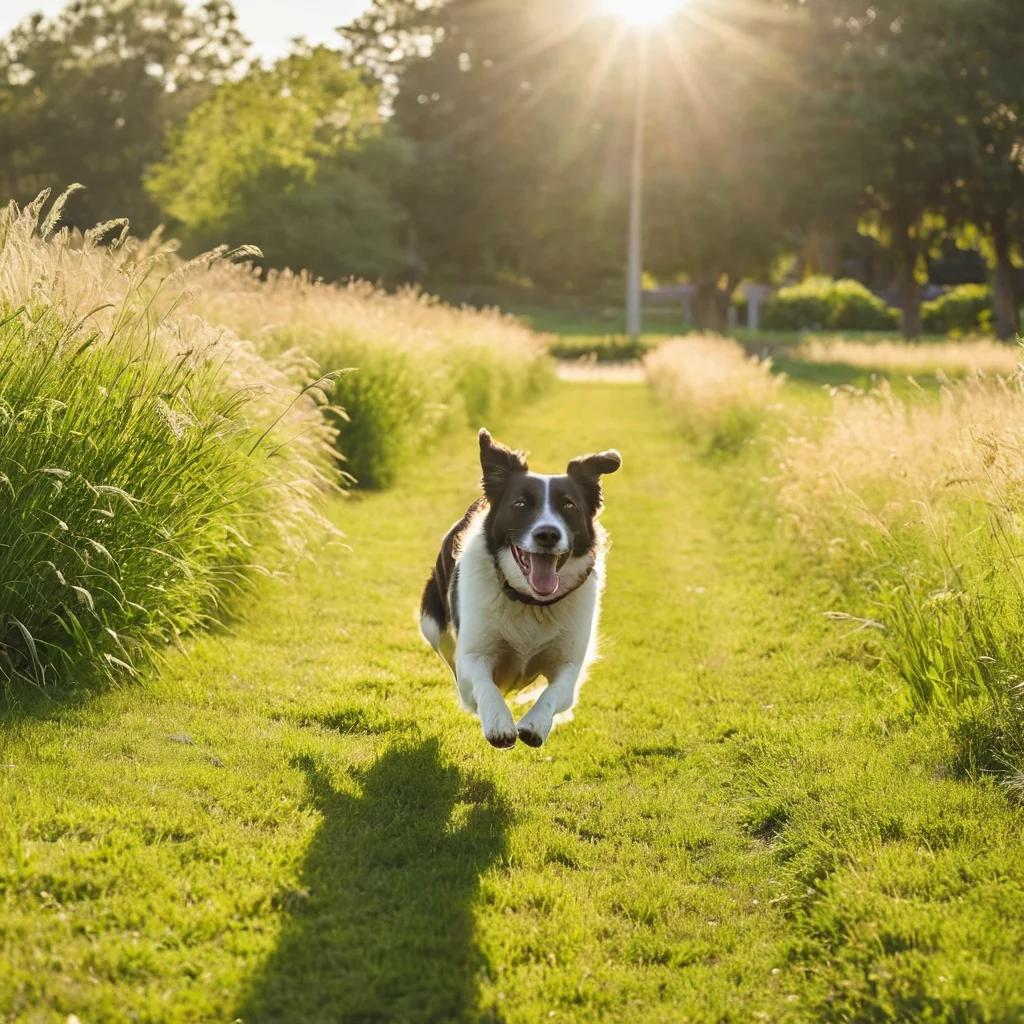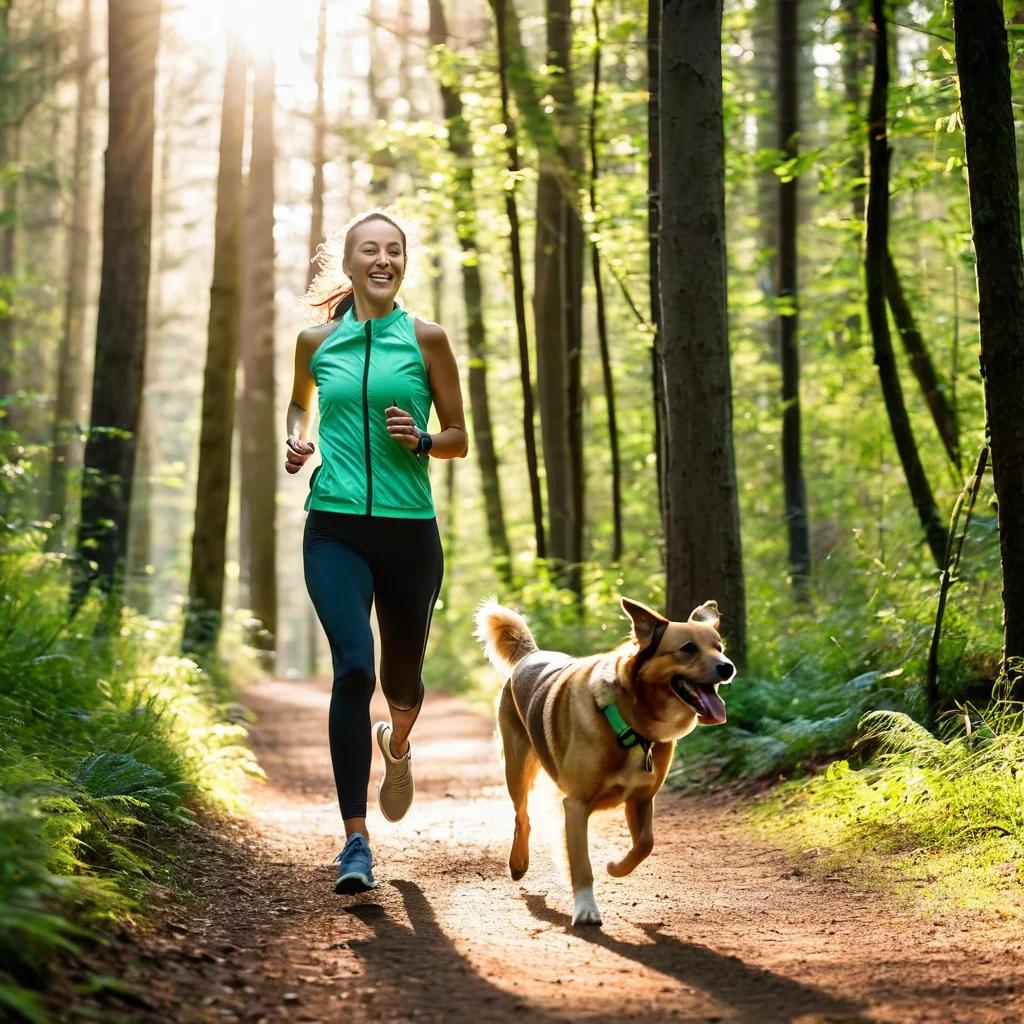

Running with your dog is great cardio and great bonding for both owner and dog. But the assumption that "dogs can always run fast" is wrong: breed, age, health and weather all affect a running plan. A running program started the wrong way can cause joint damage, heatstroke or breathing problems in your dog. This article covers which dogs suit running, a starter program, gear, pace and heat management.
1. Which Dogs Are Suited to Running?
Ideal
- Medium to large, with stamina: Border Collie, Australian Shepherd, Vizsla, Weimaraner, German Shorthaired Pointer, Labrador, Golden Retriever.
- Athletic breeds: Belgian Malinois, Dalmatian, Boxer (short distances).
Not Suited or Limited
- Brachycephalic (flat-faced): Bulldog, Pug, French Bulldog, Boston Terrier. Their airways are short and the risk of heatstroke is high. Only an easy pace and short distances.
- Very small breeds: Chihuahua, Yorkshire. Short legs make long distances hard.
- Very large giant breeds: Great Dane, Saint Bernard. Joint sensitivity.
- Greyhound: A sprinter, not suited to endurance running. Short, fast bursts instead.
- Puppies (still growing): Intense running before 12-18 months causes joint damage. Only light walks.
- Senior dogs: Over 7-8 years old, talk to your vet and keep the pace easy.
2. Vet Approval
A checkup before starting a running program is a must, especially:
- A joint assessment (hip dysplasia).
- A heart and lung check.
- An assessment of age, weight and fitness.
- Vaccines and parasite control up to date.
3. An 8-Week Starter Program
Weeks 1-2: A Walking Base
- 30-40 minutes of calm-paced walking a day.
- Let your dog get used to the idea of running.
Weeks 3-4: Walking + Light Trotting
- Walking plus 2-3 light trots of 1-2 minutes each (a dog's fast walk).
- Is your dog's tongue hanging out the whole time? Breathing fast? Ease off.
Weeks 5-6: Slow-Paced Running
- 20-25 minutes in total: 5 min walking + 10-15 min slow running + 5 min walking.
- Dog and owner at the same pace.
Weeks 7-8: Continuous Running
- 30-40 minutes of running in total, including warm-up and cool-down.
- The pace is set by the dog, not the owner.
In the following weeks, increase distance and duration gradually.
4. Gear
- Y-harness (chest harness): A neck collar restricts breathing while running. A Y-harness is the preferred choice for athletic dogs.
- Hands-free leash: An elastic leash that attaches to a waist belt. Your hands are free and your balance stays steady.
- A 2-3 meter leash: A leash that's too long gets tangled; one that's too short restricts movement.
- Dog booties (on tough ground): On asphalt, ice and hot surfaces.
- Water bottle + collapsible bowl: A must.
- Reflectors (night runs): Make sure both dog and owner are visible.
5. Heat Management
- Temperature + humidity index: Above 25°C with high humidity, postpone or lower the pace.
- The asphalt test: Use your hand. If it burns, it will burn paws too.
- Timing: Early morning (06:00-08:00) or late at night (after 21:00).
- Break frequency: 1 break every 10-15 minutes for water and shade.
- Watch for signs: Excessive panting, stopping to lie down, vomiting. Stop right away and cool your dog down.
6. Choosing a Surface
- Ideal: Grass, dirt roads, forest trails. Easy on the joints.
- Acceptable: A rubber running track, natural park paths.
- Limit: Asphalt and concrete are hard. Burned paws and joint stress.
- Avoid: Gravel and sharp stones.
7. A Race or Marathon Dog?
Some owners take part in 5K and 10K races with their dogs. For these:
- The dog should be 18+ months old with full health clearance.
- 3-6 months of gradual training.
- Water and rest for 24 hours before the race.
- A long cool-down after the race.
- A marathon (42K) is too much for most dogs; 5-10K makes more sense.
8. Emergency Signs
Stop if you see these signs while running:
- Excessive panting that won't stop.
- The tongue turning purple or gray.
- Wobbling, trying to lie down.
- Vomiting.
- Limping.
- Excessive drooling.
Stop, find shade, give water and (if needed) see a vet.
9. Frequently Asked Questions
My puppy has lots of energy. Is light running OK?
Before 12-18 months, the growth plates are still open, and intense running damages the joints. A light "trot," plenty of play and free running at the park are enough. Adult running comes once growth is complete.
My dog doesn't want to run. What should I do?
Rule out a medical cause (pain, joints). Then ask: is the pace or distance too much? Is it still a puppy? Some dogs just don't like running (Basset, Bulldog); walks and other activities (swimming) are better for them.
Is running with a brachycephalic dog completely off the table?
It can work in cold weather, over very short distances and at a slow pace. Almost never in the summer months. Talking to your vet is a must.
Can I go biking with my dog?
"Bikejoring" is done with a special bike and attachment. It's hard to control and dangerous. For beginners, running is safer.
Why a harness instead of a neck collar?
When a dog runs, pulling on the neck injures the throat and affects the front legs. A harness spreads the load across the chest and back. This is especially critical for brachycephalic dogs.
What should I do when my dog gets tired?
Stop, find shade and give water. Rest for a few minutes. Getting tired all the time means the pace or distance is too much. Scale back.
How does running with a dog benefit the owner?
It works both ways: cardio, a good mood, a strong bond and a regular routine for both owner and dog. Even when your motivation drops, "the dog is waiting" keeps the routine going.
Final Word
Running with your dog is a shared journey, with owner and dog moving at the same pace. The right start + patient progress + heat management = years of enjoyable runs together.
For running routes and distance and pace notes, use DoldurKabı Pet Health Tracking. Find dog-friendly parks on the map.
This guide is for information only; talk to your vet before starting a running program.