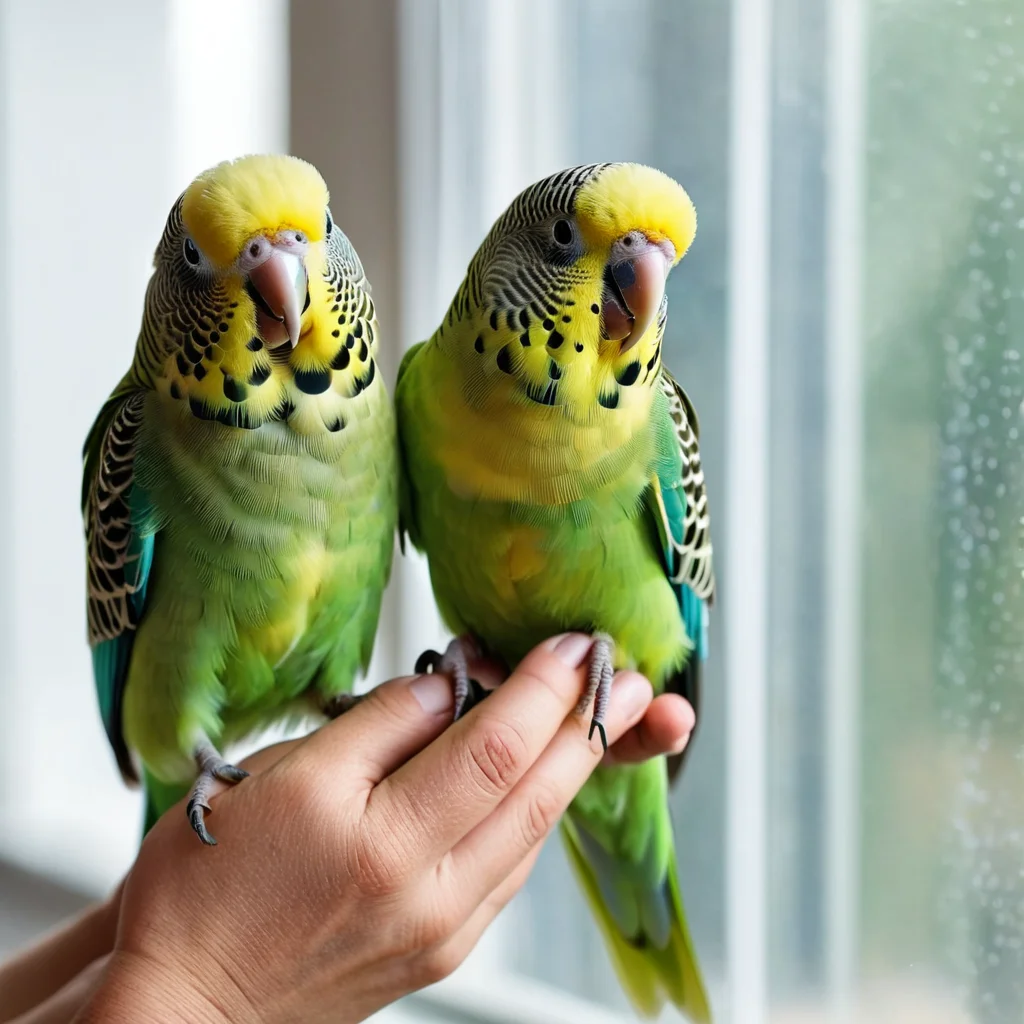

The budgie (budgerigar) is a very popular pet bird in Türkiye. The right taming and talking training builds a deep bond between owner and bird: cage settling, finger training, getting it used to your shoulder and word repetition. 3-6 months of age is the ideal time to start. Patience, consistency and rewards are key, and leaving it alone at home is off-limits. In this article, we take a detailed look at taming a budgie.
1. About Budgies
- A small parrot (parakeet) native to Australia.
- Lifespan: 7-15 years (with good care).
- Length: 17-20 cm.
- Colors: green (natural), blue, yellow, white, violet, mottled.
- Males and females are told apart by the cere (above the beak): blue in males, brown in females.
- A social species: being left alone is stressful.
- 2 birds is ideal (social, and taming by the owner is easier).
2. The Right Age
- The young stage (8-12 weeks) is the easiest.
- 3-6 months = the ideal time for taming.
- Adults (1+ years) are harder and take longer.
- Age markers on the head (young birds have zebra barring, adults are clear).
- A young bird's cere is light (pink), an adult's is darker.
- A young bird from a pet shop is preferable.
- An adult adopted from a nonprofit needs extra love.
3. Cage Setup
- Minimum size: 60×40×60 cm (for 2 birds).
- Bigger is better.
- Horizontal bars (for climbing).
- Bar spacing 1.2 cm max (to prevent escape).
- Several perches (different diameters for foot health).
- Several water and food bowls.
- Toys (mirror, bell, rope).
- A nest box (bed/nest: be aware it can trigger breeding).
- Place the cage in a social part of the home (living room).
4. Settling a New Bird (1-2 weeks)
- For the first 3-5 days, no hands in the cage (just watch).
- A calm voice and slow movements.
- Regular food and water.
- Other pets near the cage are NOT allowed (stress).
- The bird observes and gets to know you.
- Get it used to household sounds (TV, talking).
- Training starts after settling in.
5. Finger Training
- Stand in front of the cage and speak softly.
- Put your hand into the cage, open and still.
- Approach the perch slowly.
- Be patient so the bird doesn't react.
- Put a treat (millet) on your finger.
- The bird accepts your finger = reward.
- 2-3 sessions a day, 5-10 minutes each.
- The "step up" command (hopping onto your finger).
- 2-4 weeks of patience.
6. Out-of-Cage Stage
- Time out of the cage comes after finger training.
- The room is closed (door and windows).
- No other pets.
- The first flight lasts 5-10 minutes.
- If the bird lands on the floor, pick it back up with your finger.
- Treats and praise.
- 30-60 minutes of out-of-cage activity a day is ideal.
- Constant supervision (hazards for birds: windows, fans, candles).
7. Talking Training
- Male budgies talk better than females.
- A single bird (on its own) focused on its owner = talking comes more easily.
- The same word repeated over and over (50-100 times a day).
- The owner speaks clearly and in a high tone.
- Morning training is ideal (the bird is active).
- Its name, "hello," "good bird" and "kiss" are good starters.
- First word at 3-6 months.
- 50+ words are possible (Pikachu, Şampiyon accounts).
8. Pairs and Social Structure
- 2 birds are more social and happier.
- Same sex: little fighting, but bonding can be an issue.
- Mixed sexes lead to egg and chick issues.
- The cage must be big enough.
- With 2 birds, talking training by the owner is harder (the birds focus on each other).
- A single bird plus an owner with plenty of time = a very social bird.
- Building the bond is a choice.
9. Nutrition
- High-quality pellets (70%).
- Seed mix (20%).
- Fresh greens and vegetables (10%).
- Clean water at all times.
- Calcium supplement (beak and eggs).
- Cuttlebone.
- FORBIDDEN: avocado, chocolate, caffeine, alcohol, salt, onion, garlic.
- Treats: millet sprays, small amounts of fruit.
10. Health and the Vet
- An exotic bird vet is ESSENTIAL.
- Yearly checkup and parasite control.
- Molting is normal (seasonal); excessive molting is a problem.
- Respiratory disease (keep birds away from smoke and perfume).
- Excessive egg-laying in females (calcium deficiency).
- Tumors in the senior years.
- Fungal infection (Aspergillus).
- Owner attention = early detection of health problems.
Taming a budgie follows a formula: the right age, settling in, finger training, word repetition and patience. A budgie can become a family member, a bond of 10+ years. Leaving it alone = stress. An exotic vet is a must. Birds are mentally advanced, so owner attention is a must. In the DoldurKabı app, you can find a map of bird specialist vets and an exotic pet guide.