
Obesity in Pets: Notice It, Take Action
Obesity has become one of the most common health problems in pets today. According to research, roughly 40-60% of cats and dogs are above their ideal weight. Extra weight may look like cute chubbiness, but it is actually a warning sign of serious health problems. It can lead to diabetes, joint disease, heart problems and even a lifespan up to 2 years shorter. So how can you tell if your pet is overweight, and how do you help them lose weight safely?
Is Your Pet Obese? How to Tell
Vets use a system called the Body Condition Score (BCS) to assess a pet's body condition. You can also do a simple check yourself at home:
A Pet at Ideal Weight
When you put your hand on your pet's rib cage, you should be able to feel the ribs with light pressure but not see them. Looking from above, you should see a clear waistline, and from the side, the belly should be slightly tucked up.
Signs of Obesity
If your pet shows several of the following signs, the risk of obesity is high:
- The ribs can't be felt by hand and are hidden under a thick layer of fat
- The waistline has disappeared completely and the body looks cylinder-shaped
- The belly is saggy and bloated
- They struggle when walking or climbing stairs and tire quickly
- They get out of breath and wheeze, especially in hot weather
- They don't want to play and prefer to stay still
Health Problems Caused by Obesity
Extra weight harms every system in your pet's body. Here are the main health problems obesity causes:
Diabetes: Especially in cats, obesity greatly increases the risk of type 2 diabetes. In some cases, weight loss can make diabetes go into full remission.
Joint disease: Extra weight puts excess strain on the joints and raises the risk of arthritis (joint inflammation). This is especially common in large-breed dogs and seriously limits mobility.
Heart and breathing problems: Fat buildup in the chest and belly makes it harder for the lungs to expand. The heart has to work harder to supply more tissue.
Fatty liver: Especially in cats, rapid weight loss or long-term obesity can lead to a fatal condition called hepatic lipidosis (fatty liver disease).
Shorter lifespan: Studies show that dogs at ideal weight live on average 1.8-2.5 years longer than obese dogs.
A Safe Weight Loss Plan: Step by Step
1. Start with a Vet Checkup
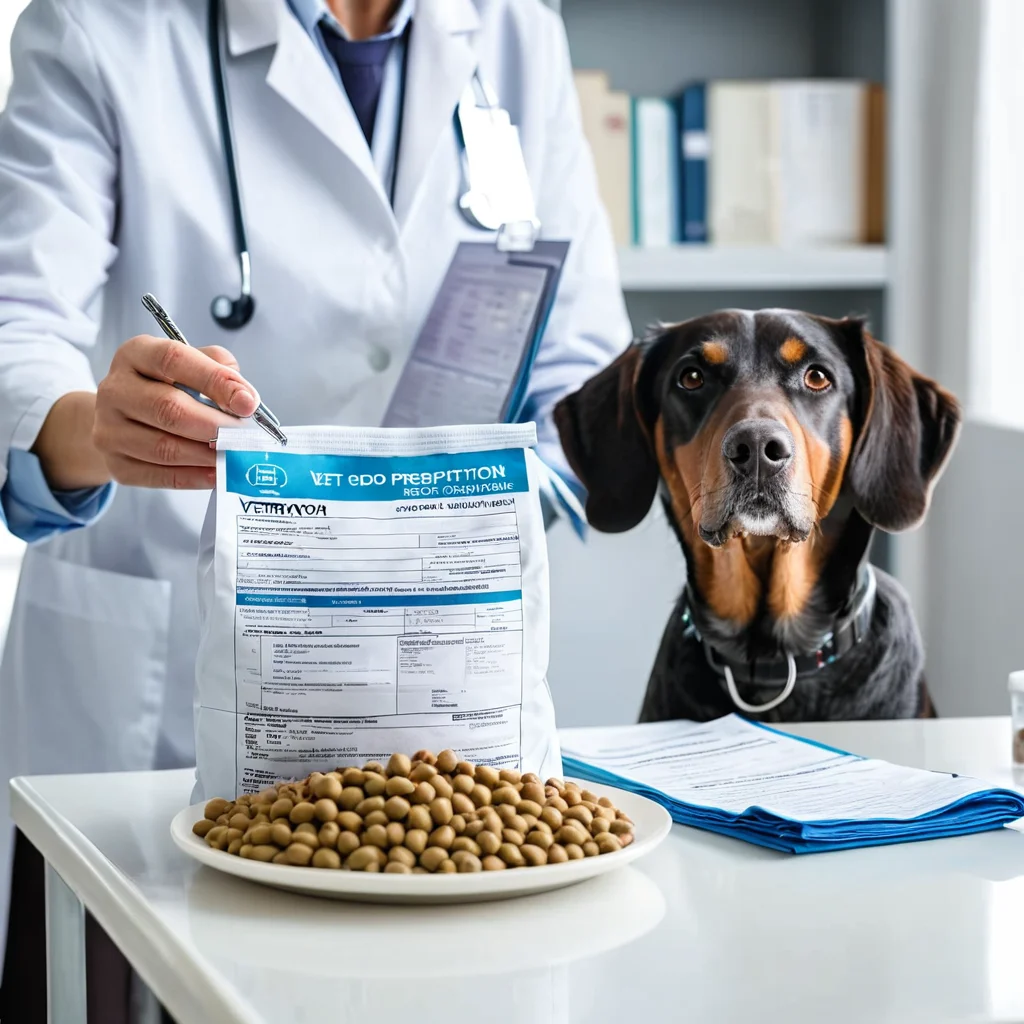
Always see your vet before starting a weight loss program. Obesity can sometimes be a sign of hormonal disorders such as hypothyroidism or Cushing's syndrome. Your vet will determine your pet's ideal weight, rule out underlying health problems and recommend a safe rate of weight loss. As a general rule, losing 1-2% of body weight per week is considered safe.
2. Calorie Control
The basic principle of weight loss is simple: take in fewer calories than you burn. But it has to be done carefully:
- Ask your vet about your pet's daily calorie needs and cut back by 15-20%
- Choose diet or "light" formula foods; these are lower in calories but high in nutritional value
- Always measure portions; eyeballing is the most common mistake
- Use a kitchen scale to adjust the amount of food down to the gram
3. Manage Treats
Rewards and treats can quietly make up 20-30% of daily calories. Subtract treat calories from the daily food portion. For dogs, low-calorie vegetables like carrots, cucumbers and zucchini are great alternatives. Drop the habit of feeding from the table entirely; it both throws off calorie control and reinforces unwanted behavior.
4. Build an Exercise Program
For dogs: Gradually increase daily walking time. Trying to walk an overweight dog long distances all at once can damage the joints. Start with increases of 10-15 minutes per week. Swimming is an excellent way to burn calories without straining the joints. Interactive games like fetch and tug-of-war also offer both exercise and a chance to bond.
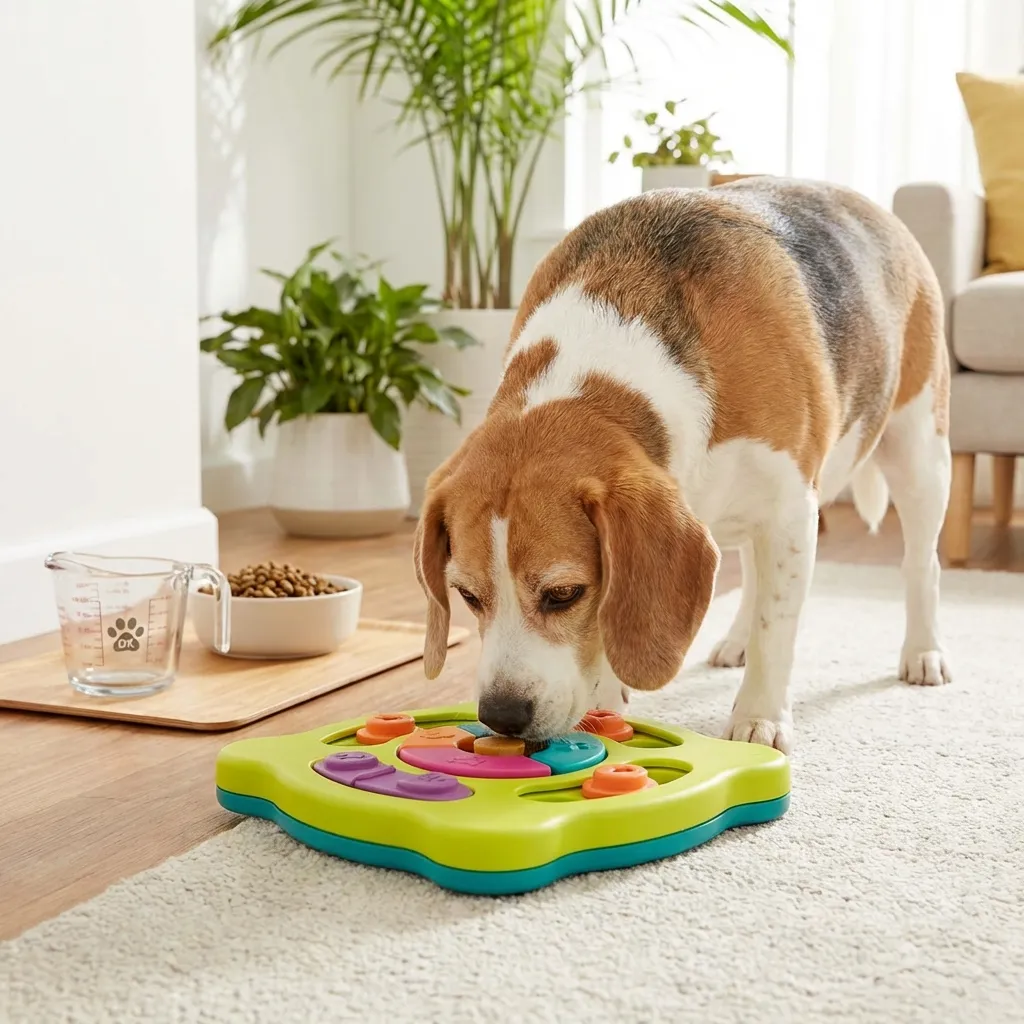
For cats: Getting cats moving can be harder than with dogs, but it isn't impossible. Laser pointers, feather toys and interactive wand toys trigger a cat's hunting instinct and keep them active. Puzzle feeders turn food into a reward, providing mental stimulation and encouraging slower eating. Cat scratching posts and high platforms also boost physical activity.
Weight Tracking and Progress
Regular weight tracking is very important for your motivation and for judging how well the program is working:
- Weekly weigh-ins: Weigh your pet on the same day and at the same time each week, and record the results
- Photo tracking: Take a photo from the same angle once a month; seeing the visible change is motivating
- Vet checkups: Review progress with a vet checkup every 4-6 weeks
- Goal: Losing 1-2% of body weight per week is ideal
When Should You Worry?
During weight loss, see a vet right away in any of these situations:
- Losing more than 2% of body weight per week (especially in cats, due to the risk of hepatic lipidosis)
- Stopping eating completely (in cats, going without food for more than 24-48 hours is dangerous)
- Extreme weakness or lethargy
- Vomiting or diarrhea
Patience and Consistency: The Key to Success
Safe weight loss can take months, sometimes even a year. What matters is not fast results but healthy, lasting weight loss. Everyone in the family following the same rules, avoiding the "one bite won't hurt" attitude, and consistency are the keys to success. Remember: helping your pet reach their ideal weight is one of the most valuable gifts you can give their health.