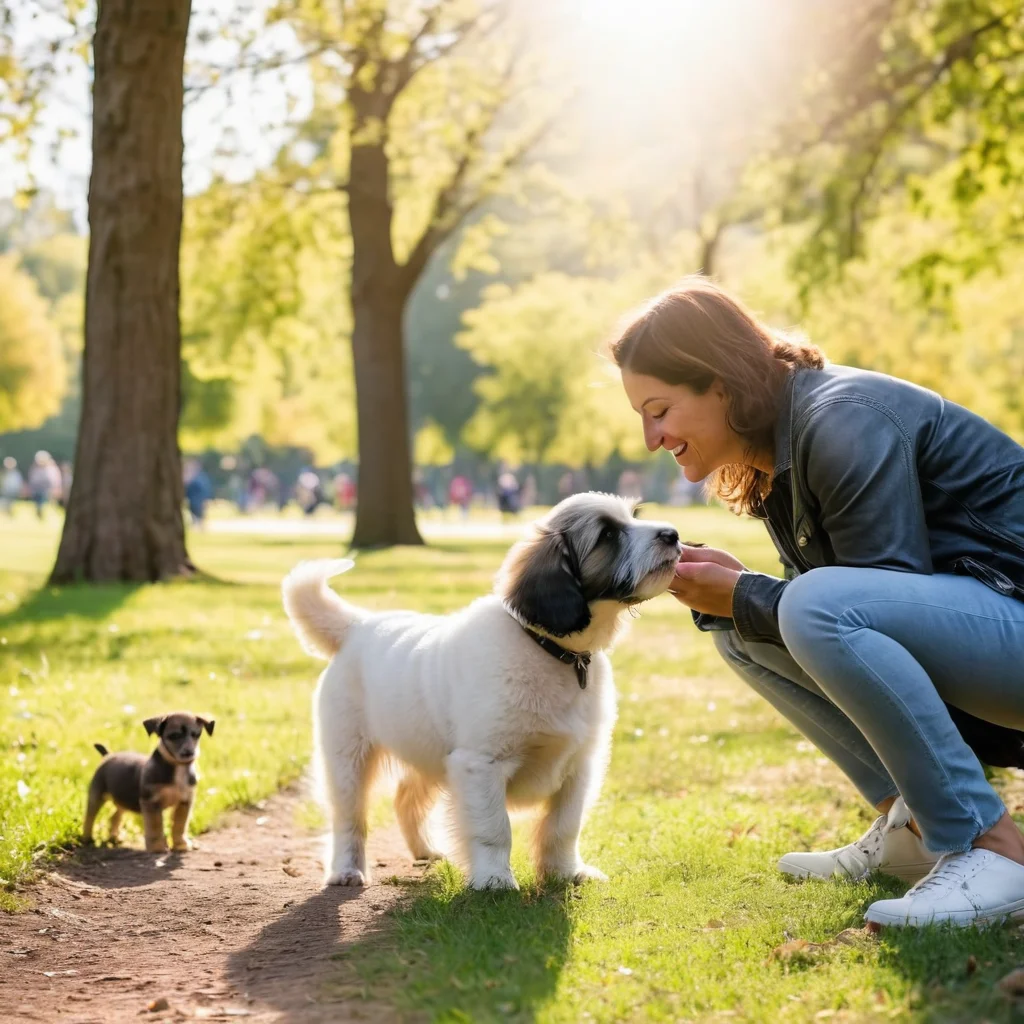

The puppy socialization window runs from 3 to 14 weeks, and it's the most critical period for shaping lifelong behavior. Experiences during this window are accepted as "normal," while things left outside it can lead to fearful, shy, or aggressive behavior in adulthood. The root cause of many behavior problems is not making good use of this short window. In this article, we look at a sound socialization protocol, an exposure list, and the key mistakes to avoid during this critical period.
1. What Is the Socialization Window?
- Between 3 and 14 weeks, the brain is in "new learning" mode.
- Things encountered during this window are recorded as "normal."
- Afterward, new things are perceived as "suspicious."
- After week 16, fear responses increase noticeably.
- Weeks 3-12 are the primary window, and weeks 12-16 are the secondary window.
2. Results of Poor Socialization
- Fear of or aggression toward strangers.
- Fear of children.
- Panic at street noises.
- Aggression toward other dogs or animals.
- Panic at vet visits.
- Fear during grooming (baths, nail trims, the groomer).
- Generalized anxiety.
3. Socializing a Puppy That Isn't Fully Vaccinated: A Dilemma
Classic medical advice: "Don't go outside until vaccines are complete at 16 weeks." Modern behavioral science: "Missing the socialization window is more dangerous." The solution:
- Controlled interaction with vaccinated, healthy dogs.
- Clean, familiar settings (a friend's yard, a training center).
- Carrying the puppy around the street in your arms (without touching the ground, taking in sounds and sights).
- Bringing different people and settings into your home.
- Public places like puppy-friendly cafés and pet shops (in a carrier).
4. Socialization Checklist (100 Items)
People:
- Adult men and women (with beards, glasses, hats).
- Children (babies, young kids, older kids).
- Older adults.
- People of different ethnic backgrounds.
- People in uniform (police, couriers, doctors).
- People with umbrellas, bags, canes, or crutches.
Animals:
- Dogs of different sizes.
- Cats.
- Birds.
- Farm animals (if possible).
Places:
- Apartments and houses with yards.
- Streets and parks.
- Pet shops, the vet, cafés (dog-friendly).
- The car (short trips).
- Elevators.
- Stairs (gently).
Sounds:
- Doorbell and phone.
- Vacuum cleaner and hair dryer.
- Traffic and car horns.
- Children screaming.
- Kitchen noises.
- Thunder recordings (at low volume).
Surfaces:
- Grass, sand, gravel, asphalt, carpet, wood, tile, metal.
5. Positive Exposure Technique
- Introduce the puppy to something new.
- Watch for a calm response.
- Immediately give a high-value reward.
- If the puppy is scared, INCREASE the distance; don't force it closer.
- A positive association forms: "new thing = reward."
6. Key Mistakes
- Forcing the puppy into crowds on the street.
- Soothing the puppy with "it's okay" when it's scared (this reinforces the fear).
- Introducing it to people who are yelling or angry.
- Children pulling at it carelessly.
- Taking an unvaccinated puppy to a dog park (plus intestinal parasites).
- A traumatic experience (running into an aggressive dog) can have effects for years.
7. Signs of Fear
- Tail tucked between the legs.
- Ears pulled back.
- Body lowered.
- Drooling, yawning, lip licking.
- Trying to escape.
- Freezing (immobility).
- These signs mean: add distance, let the puppy calm down, and try again more slowly.
8. Puppy Socialization Classes (Puppy Class)
- Offered at some training schools in Türkiye.
- Supervised groups with puppies aged 8-16 weeks.
- Under the supervision of a professional behaviorist.
- Socialization, basic commands, and owner training.
- A vaccination certificate is required (first dose completed).
9. Introducing Guests at Home
- Guests should approach calmly.
- They should sit on the floor first and call the puppy.
- Let the puppy approach at its own pace.
- Guests keep treats in their pockets.
- NO picking the puppy up by force.
- 2-3 different guests a week is ideal.
10. After Weeks 14-16
- The window starts to close.
- Keep going, but introduce new things slowly.
- There may be a fear period around 5-6 months (secondary).
- A negative experience can have effects for years.
- Socialization continues for life (at a slower pace).
Puppy socialization is the one period that shapes lifelong behavior. Deliberate, systematic, and positive exposure between weeks 3 and 14 is vital. Poor socialization creates behavior problems in adulthood that are hard to treat. In the DoldurKabı app, you can find vet clinics with behaviorist and training school experience on the map.