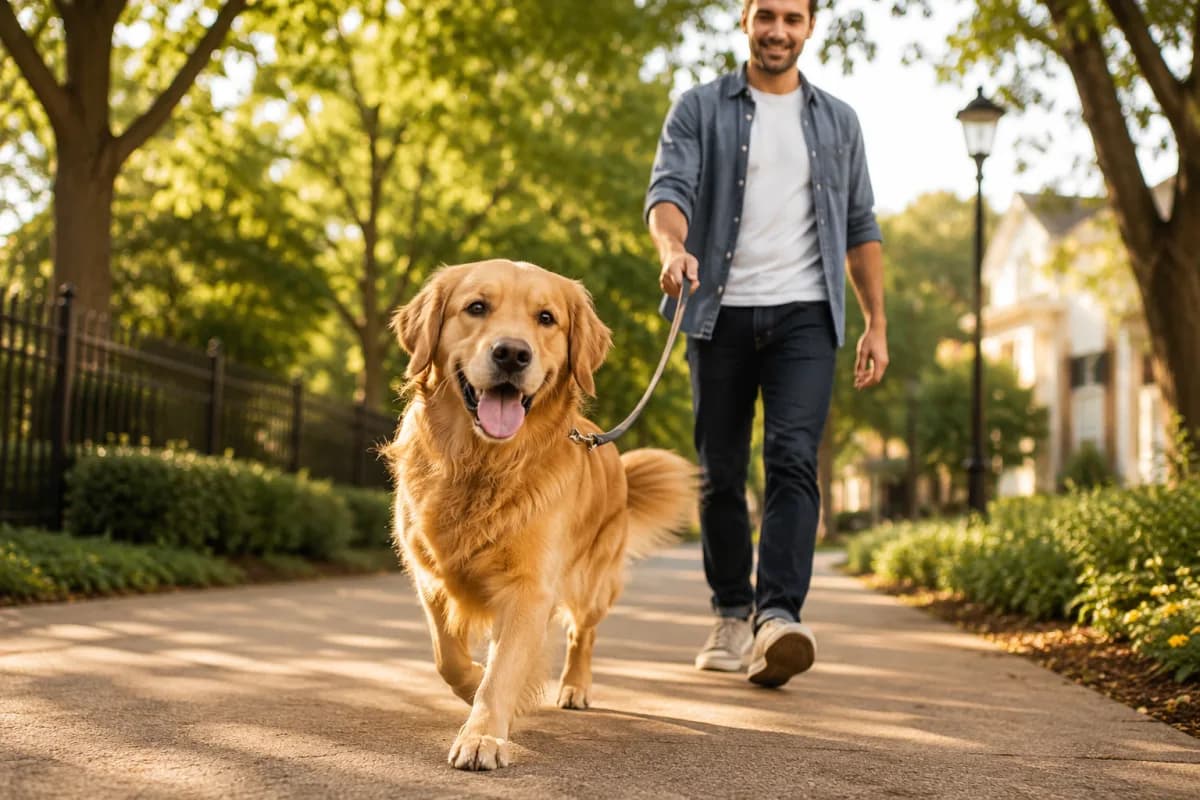

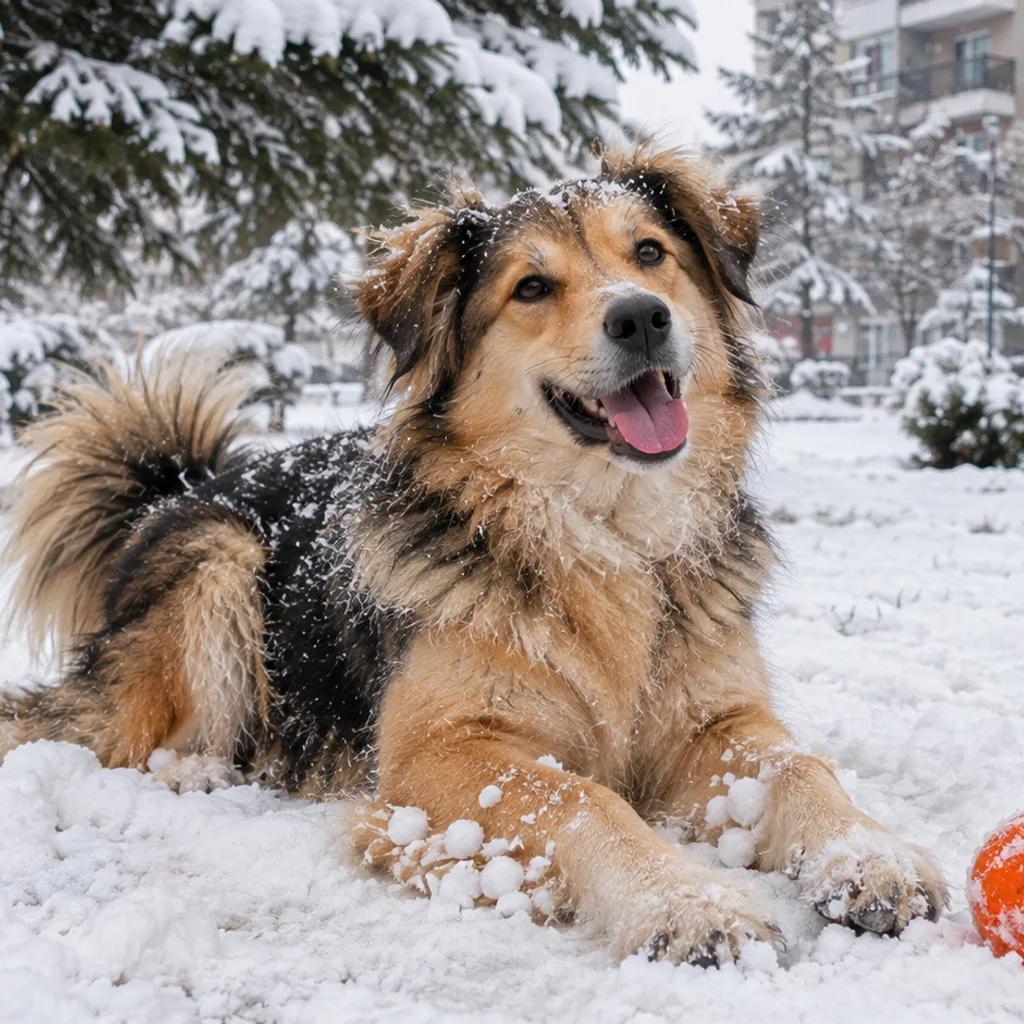

On the morning it snows, when you open the door, your dog's reaction is probably at one of two extremes: either it backs away and runs inside, or it throws itself into the white blanket and starts running, burying its nose in the snow and filling its mouth with it. Playing in the snow is one of winter's fun moments for many dogs, and letting them enjoy it is a lovely thing.
But snow has its own risks too. In this article we cover what you need to watch for so your dog can play safely in the snow, from the habit of eating snow to ice balls building up in the fur, and from frozen water surfaces to how long to play.
Why do dogs eat snow?
Eating snow is a very common behavior in dogs. Some eat snow because they are thirsty, some because they find its texture and coldness interesting, and some simply as part of the game. Trying to catch snowflakes drifting through the air is also a game many dogs love.
Is eating a little snow harmful?
Taking a few mouthfuls of clean, freshly fallen snow doesn't cause a problem for most dogs. But in a few situations you need to be careful:
- A lot of snow: Eating large amounts of snow can lower body temperature and, in some dogs, lead to an upset stomach and vomiting.
- Dirty snow: Snow on roadsides and sidewalks can contain road salt, sand, vehicle fluids, trash and feces. Eating this snow can lead to digestive problems or more serious consequences.
- Hidden objects: There may be stones, glass, sticks or trash under the snow. A dog filling its mouth with snow can swallow these too.
- Chunks of ice: Chewing on hard chunks of ice can damage the teeth.
How can you limit snow eating?
Give your dog fresh water before heading out for a walk; a thirsty dog may be more inclined to eat snow. Don't let it eat snow on roadsides, around parking lots or on sidewalks. Eating a little snow in a park or open area where the snow is clean is usually fine. The "Leave it" command is very useful here; you can practice it at home with treats and reinforce it before winter.
Hidden dangers in roadside snow
The salt and de-icing chemicals spread on roads in winter mix with the snow and get on your dog's paws and fur. When the dog gets home and licks its paws, it can swallow these substances. Vehicle fluids like antifreeze draw attention with their sweet taste and are dangerous even in very small amounts. You can find the risks and symptoms of antifreeze in detail in the article on antifreeze poisoning.
If your dog shows vomiting, drooling, stumbling or weakness after eating dirty snow or licking a fluid, contact your veterinarian without waiting.
Ice balls in the fur
In dogs with long and curly coats, snow sticks to the fur on the legs, under the belly and between the paw pads and turns into small ice balls. These balls grow during play, make walking harder, pull on the skin and keep the cold closer to the skin.
Preventing and removing ice balls
- Keeping the long fur between the paw pads trimmed short, level with the pads, reduces ice buildup.
- Check the legs and paws every so often during play; gently loosen growing clumps with your hand.
- When you get home, don't yank or pull the clumps off. Melt them away with a lukewarm towel or in a bowl of lukewarm water.
- Then dry the fur and skin thoroughly. Fur that stays damp can leave your dog chilled and irritate the skin.
For practical tips on drying, take a look at the article on bathing and drying your dog in winter.
Stay away from frozen lakes, ponds and pools
In a snow-covered park or countryside, a frozen pond, pool or puddle is easy to miss. A layer of snow can completely hide the water underneath. Dogs chasing a ball or a bird can run out onto the ice, and thin ice can break.
- Keep your dog on a leash in areas near the water's edge.
- In places you don't know, don't let your dog off leash if you aren't sure whether there is water under snow-covered flat ground.
- If your dog falls through the ice, don't go out onto the ice yourself to rescue it. Call for help right away and, from the shore, calm your dog and call it toward you.
How do you set the length of play?
A dog running in the snow can have so much fun that it doesn't notice it is getting cold. You need to adjust playtime to your dog's breed, age, coat type and the weather. Thick-coated breeds can happily stay in the snow for a long time, while short-haired, small, senior dogs and puppies get cold much faster.
Recognize the signs of getting cold
- Shivering
- Lifting paws off the ground, standing on one foot
- Hunching, tucking the tail between the legs
- Slowing down, pulling to go home
- Whining or restlessness
When you see any of these signs, end the game and head home. A dog that stays in the cold for a long time can show more serious symptoms. For information on this, see the article on the signs of hypothermia and frostbite.
Safe snow play ideas
When played right, snow is a wonderful playground. To share the snow with your dog more safely, you can try these:
- Sniffing game: Hide a few treats in the snow and let your dog find them. This works its nose and keeps it focused on searching instead of eating snow.
- Brightly colored toy: A white or light-colored ball gets lost in the snow. An orange or red toy is easy to find and lowers the risk of losing it.
- Short running laps: Instead of long, tiring runs, play in short laps and let your dog rest in between.
- Breaking a trail: Walking in deep snow tires a dog quickly. Walking ahead and breaking a trail makes moving easier for it.
Staying visible
Winter days are short and snowfall reduces visibility. If you play in the evening, put a lighted or reflective collar on your dog. A white or light-colored dog in the snow can be very hard to see from a distance.
Coming-home routine
After every snow play session, follow a short care routine. Wipe the paws with lukewarm water, check between the paw pads, and clean off salt and chemical residue. Dry the fur and let your dog rest in a warm corner out of drafts. If you see cracks, redness or bleeding on the paw pads, talk to your veterinarian.
Frequently Asked Questions
My dog loves snow. Can I let it play as long as it wants?
Even a healthy dog with a thick coat can get cold when it stays in the snow for a long time. Plan play with breaks, watch for signs of getting cold and don't skip drying off afterward.
My dog vomited after eating snow. What should I do?
A single episode of vomiting after clean snow may be a passing stomach upset. But if the vomiting keeps happening, if you suspect it ate dirty snow or a fluid, or if there is weakness, drooling or stumbling, talk to your veterinarian without waiting.
Should I bathe my dog after snow play?
A full bath isn't needed every time. Wiping the paws and belly with lukewarm water and drying them well is usually enough. If your dog walked on salted roads, be sure to clean its paws.
Can my puppy play in the snow?
A healthy puppy whose vaccinations are complete can play in the snow for short periods. Puppies are affected by the cold more quickly, so keep play short and watch it closely.