


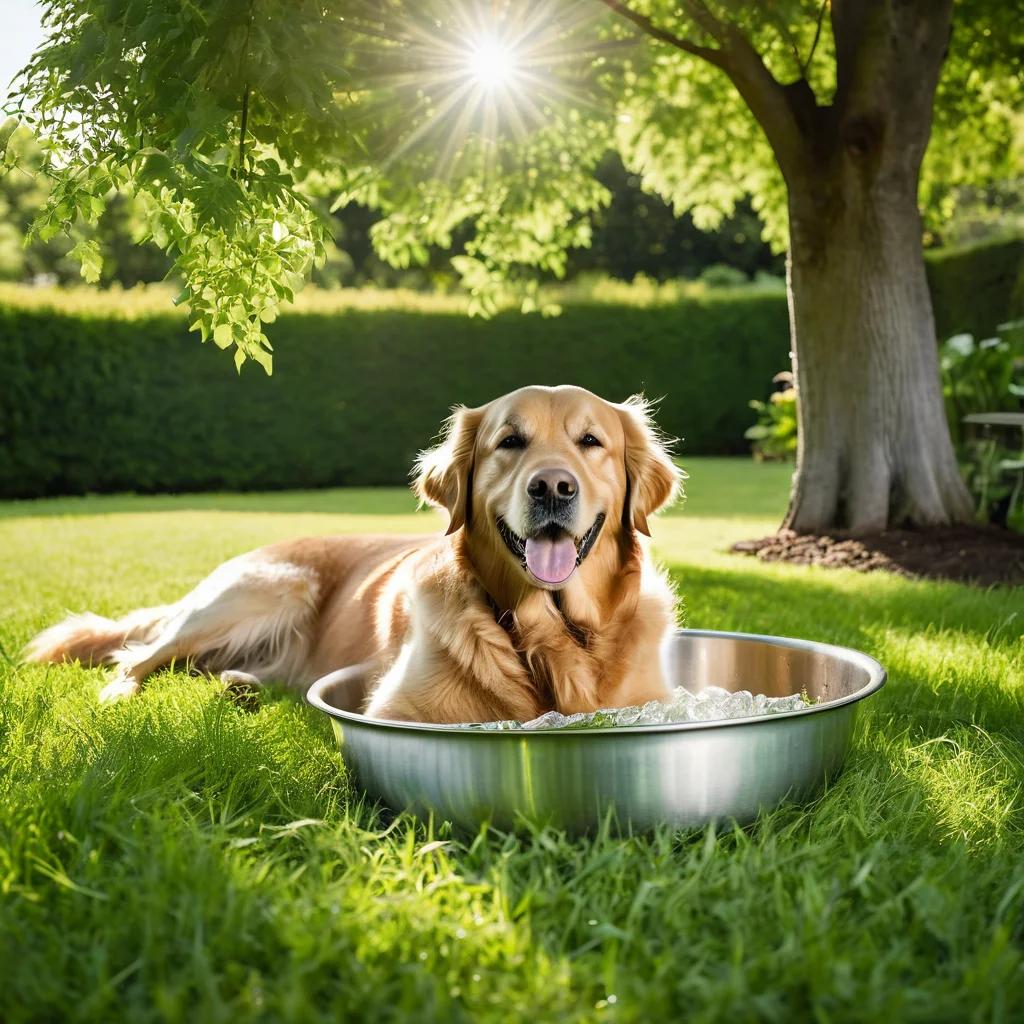

Small adjustments you make for your pet in the summer months prevent serious health problems. When temperatures in Türkiye climb to 35-45 °C, dogs and cats struggle to regulate their body heat. For brachycephalic (flat-faced) breeds and pets that are senior, overweight or living with a chronic illness in particular, your home setup, walk times and daily routine should be rebuilt for the season.
This article covers a 10-point routine to follow all summer long: managing hydration, checking the pavement, extra precautions for brachycephalic breeds and the dangers that are common in the summer months.
1. Hydration: The Most Critical Factor
- Spread several water bowls around the house: one in every room and in the spots your cat loves.
- A fountain-style water dispenser raises cat and dog water intake by 30% or more. Cats love running water, and dogs prefer it fresh too.
- Bowl material: Ceramic or stainless steel. Plastic holds odors, which leads to refusal.
- Refresh the water daily: Change it morning and evening. On hot days, dust, insects and warming spoil the water.
- When you head out, bring a portable water bottle and a collapsible bowl.
- Increase the share of wet food. 50% or more wet food is a hidden source of water.
- Drop frozen water cubes into your dog's bowl. They melt slowly and keep the water cool. It is a child-safe option too.
2. The Pavement Test: The 7-Second Rule
At summer noon, asphalt can reach 60 °C, which means a serious burn risk for a dog's paws. Here is the test:
Place the back of your hand on the asphalt for 7 seconds. If you can't stand it, your dog's paws will burn. Even if no burn is visible, pain and marks can develop; the "cracked paws" you notice in November after summer may be exactly this.
- Walk times: 7 to 9 a.m. and 8 to 10 p.m. Don't go out around midday unless you have to.
- Choose grass, dirt and shaded paths.
- A paw balm (all summer) creates a protective barrier.
- Dog boots for long outings: with some practice, most dogs accept the simple boots sold in stores.
3. Never Leave Your Pet Alone in the Car
When the outside temperature is 25 °C, the inside of a closed car reaches:
- 10 min → 35 °C
- 20 min → 40 °C
- 30 min → 45 °C
- 1 hour → 50+ °C
At these temperatures, a pet can suffer heatstroke within 15-30 minutes and can die within 30-60 minutes. Leaving them because "I'll be right back" is neglect, and an open window is not a solution either. Never leave your pet in the car when you are not with them.
4. Walk and Exercise Plan
- Long morning walk, short evening walk.
- Shaded routes: Parks, wooded areas and tree-lined streets.
- Longer breaks: For every 10 minutes of walking, 2-3 minutes in the shade with water.
- Avoid overexertion: Save ball games, running and frisbee for early morning or late at night.
- Brachycephalic breeds: Pug, Bulldog, Pekingese, French Bulldog. Active walks above 25 °C are risky; keep them short, shaded and slow.
- Senior or overweight dogs: Cut walk time in half; the hours spent in an air-conditioned home are valuable.
5. Keeping Cool Indoors
- Set the air conditioner to 22-25 °C. Very low settings (18 °C and below) are cold for dogs and cats, and the airflow should not blow directly onto their bed.
- A ceiling fan is cheaper to run than air conditioning and keeps the air moving.
- A cooling gel mat under the bed. When your cat or dog lies on it, their body temperature drops.
- Cool corners like a bathroom hallway give a cat a natural place to cool down.
- Keep curtains closed in the afternoon, since direct sunlight heats up the house.
- Coat care: Brush weekly. Don't shave double-coated pets (Husky, Pomeranian, Maine Coon). The undercoat works as insulation, and shaving increases heat.
6. Summer Dangers: 7 Things to Watch
- Heatstroke: a deadly emergency. See the details in our heatstroke guide.
- Pavement burns: paw burns combined with dehydration.
- Water intoxication: drinking too much water (lakes, the sea) can cause hyponatremia.
- Salty seawater: dogs tend to drink it, which leads to sodium poisoning.
- Heavy flea and tick activity: it peaks during summer vacation season. Monthly protection is a must.
- BBQ and grill accidents: dogs leap after bones and fat.
- Summer storms and fireworks: a risk of anxiety and running away. Similar principles apply as in our anxiety guide.
7. Extra Precautions for Brachycephalic Breeds
Summer is especially risky for breeds with short airways:
- Above 25 °C, outings should not go beyond half an hour.
- Carry portable water and a shade tent (on long outings).
- A full vet checkup at the start of the season, including breathing and heart checks.
- Place the bed near the air conditioner but not directly under the airflow.
- Take signs of high body temperature seriously (heavy panting, a tongue turning bluish, weakness): turn on the air conditioning right away, apply a lukewarm wet towel and go to the vet.
8. Summer Travel With Your Pet
- Long car trips: Leave very early in the morning, stop often, keep the air conditioning on the whole time and secure your pet in a carrier.
- Hotel or boarding: Ask about a pet-friendly, air-conditioned room and a shaded yard; "we accept pets" alone is not enough.
- Beach: Some beaches accept pets, but hot sand and salt water are a problem. Plan for shade, fresh water and the time of day.
- Flying in summer: Some airlines don't accept live animals as cargo on hot routes. See our international travel guide.
9. Summer Help for Stray Animals
Simple help for the cat in front of your building or the dog in the park saves lives:
- Put out a clay or ceramic water bowl in front of your door (instead of plastic).
- Leave 2-3 liters of fresh water in a shaded corner of your building, refreshed in the evening.
- For an injured or unconscious animal you find, call the municipal veterinary services through ALO 153 (the municipal hotline) or a vet near you.
- Share a reminder in your neighborhood groups so other neighbors join in.
10. Frequently Asked Questions
Should I shave my dog for the summer?
For double-coated breeds (Husky, Pomeranian, Maine Coon), NO. The undercoat insulates and the top coat reflects the sun. For long-haired breeds with a single coat (Maltese, Yorkshire), a summer trim can be fine, but the skin should not show.
I live in an air-conditioned home. Do I still need extra precautions?
Yes. Walk times, the pavement test and access to water apply all summer. Air conditioning keeps the inside of your home safe, but the risks of going outside remain.
Can my dog go in the water or jump in the pool?
Yes, if your dog enjoys it and the pool is not too cold. If they can't swim, use a life vest. After a chlorinated pool, rinse their eyes and paws.
Should I feed my dog more in the summer months?
Quite the opposite: if activity drops, calorie needs go down. The standard food portion is enough, and overfeeding leads to summer weight gain.
What are the signs of dehydration in my cat?
Excessive drowsiness, dry and sticky mucous membranes, a tongue that feels tacky like jelly and reduced skin elasticity (pull up the skin on the shoulder; if it returns slowly, that means dehydration).
How often should I see the vet in the summer months?
For brachycephalic, senior and chronically ill pets, a full checkup at the start of the season is recommended. For a healthy adult, the standard yearly checkup is enough, but take any changes in behavior or appetite seriously throughout the summer.
My dog barks more in the summer. Why?
It may be mild restlessness: they may be uncomfortable in the heat or bored because they can't go out enough. Adjust exercise times and add mental enrichment toys at home (a snuffle mat, a Kong).
Final Word
Protecting the good times you spend with your pet in the summer comes down to small daily habits like refreshing water often, checking the pavement and planning for shade. A prepared owner means a happy pet.
Log your summer health notes, vet checkup dates and exercise plan in DoldurKabı Pet Health Tracking. That way, especially with a brachycephalic or senior pet, you won't forget the pre-season checkup.
This guide is for information only; whenever you suspect a health problem in the summer months, be sure to see your vet.









