


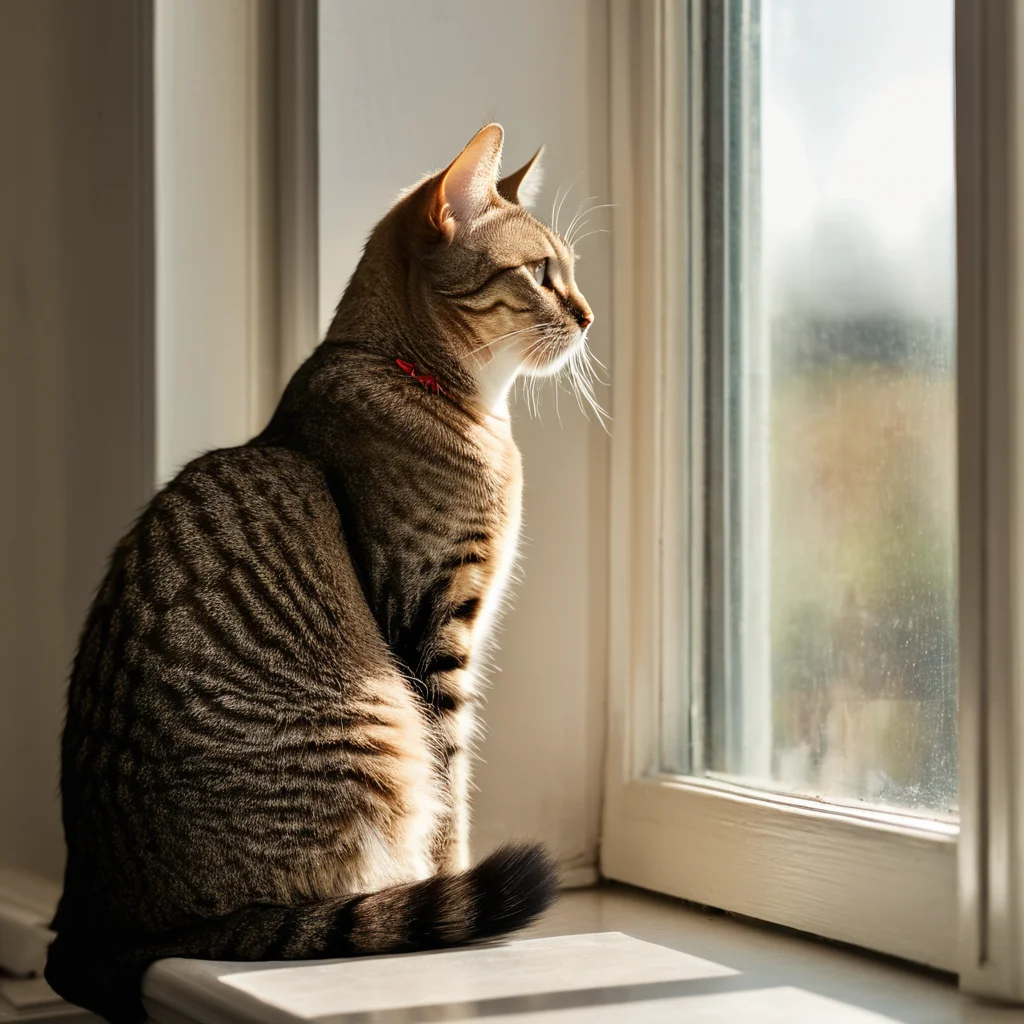

A change in cat behavior is one of the most confusing situations for an owner: a cat that is suddenly aggressive, hides all the time, used to be social but is now withdrawn, has lost its appetite or meows strangely. The question "Is it getting old? Is it stress? Is it illness?" often gets answered late. By nature, cats tend to hide signs of illness, which is why a behavior change that appears suddenly usually points to a medical cause.
This post covers a framework for assessing changes in cat behavior, how to tell medical from behavioral causes, the six most common triggers and when you need an emergency vet.
1. What Exactly Does "Behavior Change" Mean?
When your cat's basic personality changes suddenly (it no longer does things that used to be routine, or new behaviors it never showed before have started), this is a clinical signal. What matters:
- Sudden or gradual? Sudden change = high suspicion of a medical cause.
- One change or several? Several = a systemic cause.
- Duration: A change lasting longer than 1 day is significant.
- Trigger: Is there a new animal, a new person, a move or new furniture?
2. "Medical or Behavioral?" How to Tell Them Apart
General rule: a behavior change that is sudden and stands alone is medical; a change that is gradual and has a clear trigger is behavioral. But the two can overlap (for example, a cat that shuts down from pain plus stress).
High Suspicion of a Medical Cause (Vet First)
- A sudden increase or loss of appetite.
- Excessive meowing (especially at night).
- Urinating outside the litter box.
- Drinking too much water.
- Preferring not to be touched (when there used to be a bond).
- Sleeping too much or, the opposite, restlessness.
- Weight change (loss or gain).
- Repetitive behavior (licking just one spot, circling movements).
High Suspicion of a Behavioral Cause
- A change after a new pet or person comes into the home.
- Moving house, a change of furniture.
- After the owner has been away for a long time.
- Seeing another cat or dog through the window.
- A source of noise in the surroundings (construction, loud sounds).
3. The 8 Most Common Medical Causes
- Hyperthyroidism: Overeating + weight loss + restlessness in an older cat. Detailed guide.
- Kidney disease (CKD): Drinking a lot, frequent urination, loss of appetite. Detailed guide.
- Diabetes: Lots of water + urine + appetite, but weight loss.
- FLUTD (urinary tract): Frequent trips to the litter box, meowing. Detailed guide.
- Arthritis: An older cat that stops jumping, stops climbing to high places, prefers not to be touched.
- Dental disease: Refusing food, bad breath, trouble chewing.
- Age-related cognitive decline (dementia): Meowing at night, disorientation.
- Cancer: Often several signs together.
4. Behavioral Causes
- Introducing a new pet: The 2-week introduction protocol was skipped, so the cat is in defensive mode.
- Disrupted balance at home: A new baby, a new partner, moving house.
- Window/street trigger: Another animal or a noise that shows up at the same time each day.
- Competition for resources: The n+1 rule has not been followed in a multi-cat home.
- Too much attention from a baby or child: The cat hides + becomes aggressive.
- Overstimulation: The owner is constantly away or, the opposite, the cat is disturbed too much.
5. What Should You Do as an Owner? A Decision Flowchart
- Date the change. When did it start? When did you notice it?
- Is there more than one? Is it one behavior or several?
- Is there a clear trigger? Has something new come into the home?
- Are appetite + water intake + urine/stool normal?
- Are there signs of pain? Avoiding touch, a change in lying position, an abnormal gait.
- If it is not moving or is lethargic: emergency vet.
- If you are unsure: book a vet exam. Do not wait.
6. Preparing Before the Vet Visit
- Keep a behavior log: 3-5 days of observation notes help a lot.
- Measure water + urine amounts.
- Food amount + calories.
- Videos of the behavior: phone recordings.
- A list of known conditions + medications.
This information helps the vet reach the right diagnosis quickly.
7. Cognitive Decline in Older Cats (Feline Cognitive Dysfunction)
A significant share of cats over 12 develop cognitive decline. Signs:
- Meowing at night (especially between 3 and 5 a.m.).
- Disorientation (not finding the litter box, staring into a room).
- A disrupted sleep-wake rhythm.
- Less social interaction.
- Poor grooming.
Treatment: environmental enrichment, a steady routine, vet-prescribed cognitive support (Aktivait, omega-3, propentofylline).
8. Frequently Asked Questions
My cat used to be social and started hiding this past week. What could be the cause?
Hiding that starts suddenly = high suspicion of a medical cause. A vet exam first; a behavior specialist is the second step.
My older cat seems depressed since I got a new cat.
Introducing a new animal is a major behavioral trigger. Repeat the 2-week introduction protocol; a good introduction solves most cases. Detailed guide.
My cat suddenly became aggressive and bit me.
High suspicion of pain, especially in a cat that has never bitten before. A vet exam + dental + joint + neurological check.
Is meowing at night normal in an older cat?
Hyperthyroidism, high blood pressure, dementia and pain are considered. Night meowing in a cat aged 10+ = a vet exam.
My cat keeps licking the same spot. What causes it?
Local pain (allergy, parasites), psychological (stress-related compulsive behavior), or medical. A vet exam; there is usually a physical cause.
I can't find a behavior specialist. What should I do?
Your first stop is your regular vet. Certified cat behaviorists are limited in Türkiye; some vets also work in this area. Online consultation options are available.
My cat looks very stressed, but my routine at home has not changed much.
There may be a trigger you have not noticed: another animal at the window, construction on the street, a new smell in the house. Feliway pheromones + enriching the space + patient observation.
Final Word
A change in cat behavior is not "just aging"; it is usually a message about health or the environment. Behavior signals caught early = early medical diagnosis = a better prognosis.
If you keep your observation notes, water/urine/appetite data and vet checkup dates in DoldurKabı Pet Health Tracking, you build a systematic history.
This guide is for informational purposes; with any behavior change, always contact your vet first.









